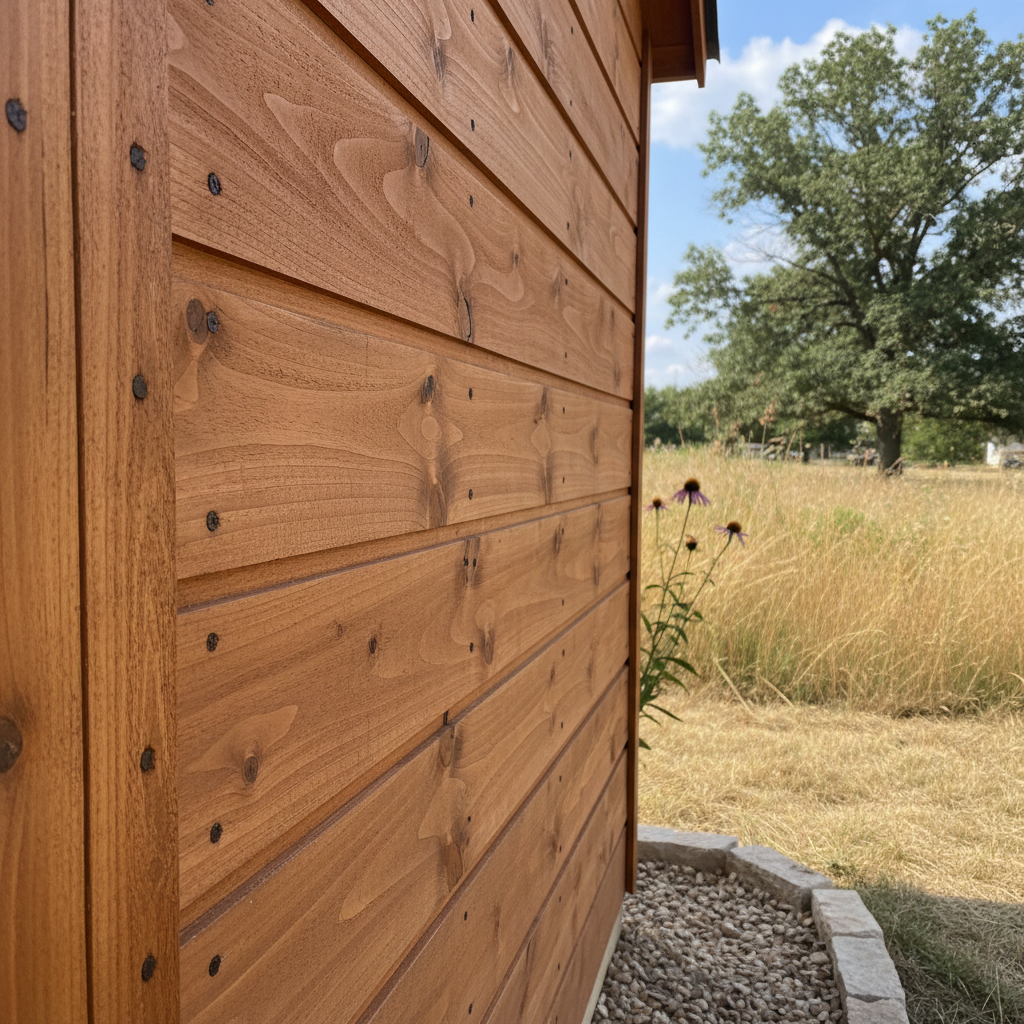
So, you're eyeing that empty spot in your backyard, picturing a nice garden shed. Maybe you're tired of tripping over tools in the garage, or your patio furniture needs a winter home. Whatever the reason, a shed can really help you get organized and add storage. But before you jump in, you've got to figure out what parts of this project you can handle yourself and where you might need a hand. Let's break it down, shall we?
Before You Even Start Digging
First things first, you need a plan. And I mean a *real* plan, not just a vague idea. What are you actually going to store in there? How much space do you truly need? Think about height, too – can you stand up straight? Will your lawnmower fit through the door?
Next, check with the City of Wichita Planning Department. Don't skip this step. Seriously. There are rules about how far back from property lines your shed needs to be, maximum sizes, and sometimes even how it should look, especially if you're in an older, historic neighborhood like College Hill. You really don't want to build a shed only to find out you have to move it or tear it down because it's too close to your fence or too big for your lot. A quick call or a look at their website can save you a ton of headaches.
Also, think about your foundation. This isn't just about making it level; it's about making it last. Here in Wichita, with our clay soil that expands and contracts, a solid foundation is absolutely essential. You can probably handle a simple gravel base yourself if you're building a small, lightweight shed – say, a 6x8 or 8x10 for garden tools. But if you're going bigger, like a 10x12 or more, or if you plan on storing heavy equipment, you might want to consider a concrete slab. Pouring concrete isn't rocket science, but getting it level, sloped correctly for drainage, and reinforced properly takes some skill and the right tools. If you're not confident with forms, rebar, and screeding, that's a good place to call a concrete contractor.
During the Build: DIY or Professional Touch?
Okay, you've got your permits (if needed) and your foundation is ready. Now for the actual shed. This is where most folks wonder if they should build it themselves or hire someone like Wichita Shed Builders.
Kit Sheds: A Good DIY Option for Some
If you're reasonably handy with basic tools – a drill, a saw, a level – a pre-cut shed kit can be a great DIY project. These kits come with all the pieces cut to size, hardware included, and detailed instructions. It's kind of like building a giant LEGO set. You'll still need to be patient, follow directions carefully, and have a friend help you lift walls into place. It's definitely doable for many homeowners, and you'll save a good chunk of money on labor costs.
Building from Scratch: For the Experienced DIYer
If you're planning to frame a shed from raw lumber, cut your own siding, and build it completely from the ground up, that's a much bigger undertaking. This requires more advanced carpentry skills, knowledge of framing techniques, roofing, and often electrical work if you want power in your shed. If you've built a deck or done extensive home renovations before, you might be up for it. But if the idea of calculating roof pitch or cutting rafters makes your head spin, this is probably where you call in a professional builder. Mistakes here can be costly and compromise the structural integrity of your shed, you know?
Pre-Built or Custom Built: When to Call Us
Sometimes, you just don't have the time, the tools, or the desire to spend your weekends building. Or maybe you need something specific – a custom size, a particular style to match your house, or a shed designed for a unique purpose. That's when a professional shed builder comes in. We can deliver a pre-built shed and set it up, or build a custom one right there on your property. It costs more than DIY, sure, but you get a quality, durable structure without lifting a finger. Plus, we know all the local codes and how to handle things like high winds that sometimes roll through Kansas.
After the Build: Maintenance Matters
Once your shed is up, whether you built it or we did, your job isn't over. A shed isn't a