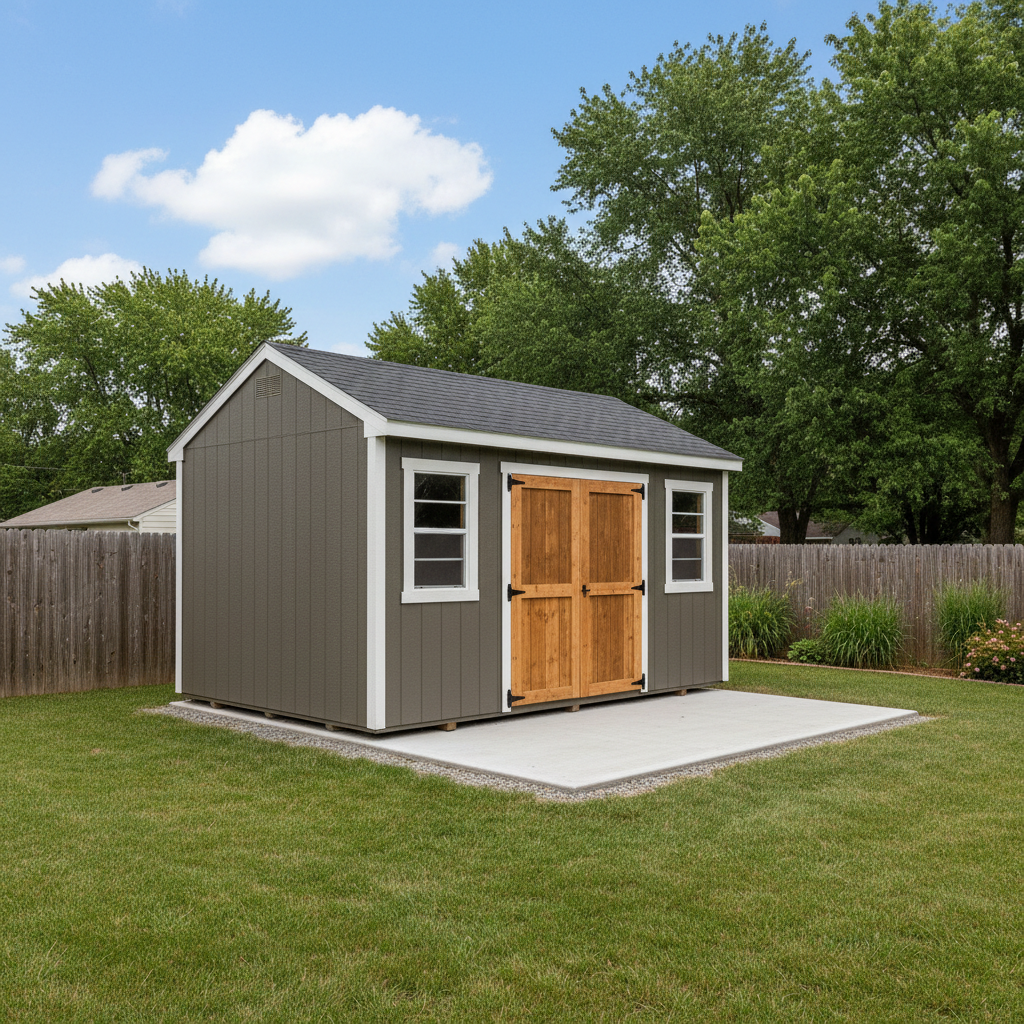
Your garage really pulls its weight, doesn't it? It keeps your cars safe, holds all your tools, and stores all that extra stuff that just won't fit inside the house. But like anything else, it needs a little TLC to stay in good shape, especially here in Wichita. We get everything from scorching summers to icy winters, plus those wild spring storms, you know? Ignoring it now can lead to much bigger, more expensive headaches down the road. So, let's chat about how to keep your garage solid for the long haul.
Regular Maintenance: Your Garage's Best Friend
Think of garage maintenance kind of like changing the oil in your car. It's not the most exciting job, sure, but it definitely prevents breakdowns. Most of this stuff, honestly, you can tackle yourself with some basic tools and a bit of time.
Check the Outside: Take a walk around your garage a couple of times a year. Look at the siding – do you see any loose boards, cracks, or spots that look rotten? Check the trim around your windows and doors. Is the paint peeling? Are there gaps where water could sneak in? Pay extra close attention to the bottom few feet of siding, particularly if your garage is on a slab and pretty close to the ground. Our Kansas soil, you see, can expand and contract, pushing moisture right up against those lower boards.
Clean Gutters and Downspouts: This one's a big deal. Clogged gutters mean water just spills over, soaking into your foundation or splashing up against the siding. That's a surefire recipe for rot and foundation problems. Clean them out in the fall once the leaves are down, and then again in the spring.
Inspect the Roof: If you can safely get up there, take a peek at your shingles. Are any missing, curled up, or cracked? Do you see signs of granules washing away? Even a tiny leak can cause major damage over time. If you're not comfortable on a ladder, you can often spot the bigger issues from the ground with a good pair of binoculars.
Lube Up Moving Parts: The garage door itself has a ton of moving pieces. Lubricate the rollers, hinges, and springs with a silicone-based spray or garage door lubricant every few months. This keeps everything running smoothly and quietly, plus it helps your opener last longer.
Seal Cracks in Concrete: If you've got a concrete floor or foundation, small cracks are totally normal. But if they're getting wider, or you're seeing new ones pop up, fill them with a concrete crack filler. This stops water from seeping in and freezing, which can make cracks much, much worse.
Warning Signs You Shouldn't Ignore
Your garage will usually tell you when something's not right; you just need to know what to listen and look for. Catching these problems early can save you a whole lot of grief, believe me.
Water Stains or Musty Smell: This is a huge red flag. Water stains on the ceiling, walls, or floor, or that damp, earthy smell, mean you've got a leak somewhere. Find it and fix it fast before mold sets in or structural damage starts.
Sagging Roofline or Walls: If your roof looks like it's dipping in the middle, or your walls are bowing outwards, that's a serious structural issue. Do not put this one off.
Garage Door Acting Up: If your door is sticking, making grinding noises, or opening unevenly, something's off. It could be a simple lubrication issue, or it might be a failing spring or opener. A broken spring can be really dangerous, so please don't try to fix it yourself.
Pest Infestations: Look for signs of termites, carpenter ants, or rodents. Small holes, sawdust trails, or droppings usually mean unwanted guests have made themselves at home. And they can cause significant damage to wooden structures, too.
Cracks in Foundation: While small hairline cracks are pretty common, large, spreading, or stair-step cracks in your foundation walls could point to a more serious settlement issue. Especially with our clay-heavy soil around here in Wichita, foundation movement is something we definitely see.
When to Call a Professional
Look, I'm a big fan of DIY, but some jobs are just better left to the pros. Knowing when to call in an expert isn't giving up; it's just being smart. For anything structural – like a sagging roof, major foundation cracks, or significant rot that compromises the building's integrity – you absolutely need a contractor. If your garage door springs break, call a garage door specialist. Those springs are under immense tension and can cause serious injury if they're not handled correctly. For widespread pest infestations, get an exterminator. And if you're seeing extensive water damage or mold, a remediation company might be necessary.
Sometimes, a problem might seem small, but it's actually a symptom of something much bigger. If you're unsure, it's always smarter to get a professional opinion. Here at Wichita Shed Builders, we know a thing or two about keeping structures sound, and we're always happy to offer advice or point you in the right direction if it's something outside our usual work. A little proactive care, you'll find, really goes a long way in keeping your garage functional and extending its life for many years to come.