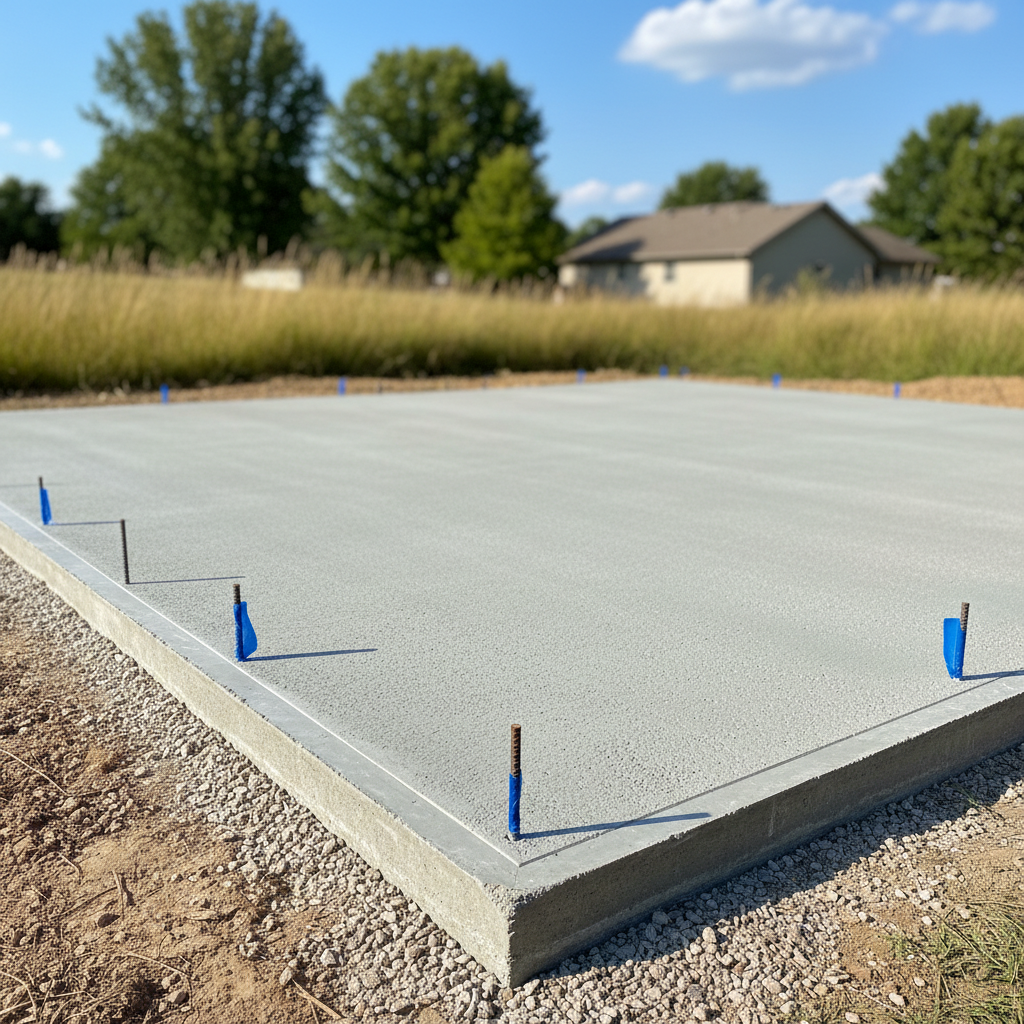
Alright, let's talk shed foundations. I get a lot of questions about this stuff, and frankly, it's one of the most important parts of putting up a shed that'll actually last. You wouldn't build a house on a pile of dirt, right? Same goes for your shed. Over the years, working with folks all over Wichita, I've heard pretty much every question in the book. So, I figured I'd tackle some of the most common ones right here.
Do I even need a permit for a shed foundation in Wichita?
This is a big one, and the answer isn't always a simple yes or no. It really depends on your shed's size and what you're planning to put it on. Generally, if your shed is under 200 square feet, you usually don't need a building permit from the City of Wichita for the structure itself. But that doesn't automatically mean you can just pour a concrete slab without thinking about it. If you're doing any significant digging or pouring a substantial concrete foundation, it's always smart to check with the city's planning department. They're the ones who can give you the definitive answer based on your specific project and property. You definitely don't want to get halfway through a project only to find out you've got to tear it out because you skipped a step.
What's the best type of foundation for a shed in Wichita's climate?
Wichita's weather can be a real rollercoaster, right? We get those scorching summers, freezing winters, and plenty of rain and snow in between. Plus, we've got a lot of clay soil around here, which expands and contracts with moisture. That's why a solid foundation is crucial. For most sheds, you're usually looking at a gravel base, concrete blocks, or a full concrete slab. A gravel base with pressure-treated skids is a popular, cost-effective choice for smaller to medium sheds. It lets water drain well and helps prevent moisture problems. For larger sheds or if you're storing heavy equipment, a concrete slab is often the way to go. It gives you the most stable, durable base. We've seen plenty of sheds on inadequate foundations start to shift and settle over time, especially with our freeze-thaw cycles. You want something that can handle the elements.
How deep does a shed foundation need to be?
Again, this depends on the type of foundation and the size of your shed. For a simple gravel base, you're typically looking at 4-6 inches of compacted gravel. You'll want to dig down enough to get that depth, plus a few inches for any leveling sand. If you're doing a concrete slab, you'll need to dig down to create a form. For a standard shed slab, you're usually pouring 4-6 inches of concrete. However, the crucial part isn't just the slab depth; it's what's underneath it. You need a properly prepared and compacted sub-base to prevent settling. For footings, like if you're building a shed with a raised floor, you'll need to get below the frost line, which in our area is generally around 24-30 inches deep, to prevent frost heave from pushing your foundation around. That's a common issue in neighborhoods like Riverside where the ground can get pretty saturated.
Can I just put my shed directly on the ground?
Please, for the love of all that's good, don't do this. You might save a few bucks upfront, but you'll pay for it tenfold in headaches down the road. Putting a shed directly on the ground, even if it's level for now, is an open invitation for moisture, rot, pests, and uneven settling. The wood will wick up moisture from the soil, leading to mold and decay. Termites and other critters will have an easy access point. And as soon as the ground gets wet and then dries out, your shed will start to shift and settle unevenly, making doors and windows stick, or worse, compromising the structural integrity. A proper foundation creates a barrier between your shed and the ground, protecting your investment.
What's the typical cost for a shed foundation in Wichita?
This is probably the most common question I get. The cost varies a lot based on the type of foundation, the size of the shed, and whether you're doing it yourself or hiring someone. A simple gravel pad for a small 8x10 shed might run you a few hundred dollars in materials if you're doing the labor. If you're having a professional like Wichita Shed Builders come out and do a fully prepared, leveled gravel base with concrete blocks for a 10x12, you're probably looking at $500-$1000, depending on site conditions. A concrete slab is going to be more, easily $1500-$3000+ for a decent-sized shed, especially if you need excavation or specific reinforcements. It's an investment, but it's one that pays off by extending the life of your shed and preventing costly repairs later.
How long does a shed foundation take to build?
A simple gravel pad can often be done in a day or two, assuming good weather and no major surprises with the ground. If you're doing a concrete slab, you're looking at a bit more time. There's the excavation and forming, then the pour itself, and then you have to let the concrete cure. That curing process can take several days, sometimes even a week or more before it's strong enough to bear the weight of a shed. You can't rush concrete. So, for a concrete slab, plan for at least a week from start to finish, not including any permit wait times. It's not a weekend project if you want it done right and want it to last.
Do I need to worry about drainage around the foundation?
Absolutely, yes! Drainage is just as important as the foundation itself. You don't want water pooling around your shed, no matter how good your foundation is. That standing water can eventually seep into the foundation, cause erosion, or just create a damp environment that encourages mold and pests. Make sure the ground around your shed slopes away from the foundation. You might need to add some extra dirt or grade the area. Guttering on your shed can also be a huge help, directing rainwater away from the base. Good drainage protects your foundation and keeps your shed dry and healthy for years to come.