Before Your Shed Arrives: Prep Work is Key
So, you've decided on a new shed. Great choice! Whether it's for extra storage, a workshop, or even a backyard office, a good shed can really make a difference. But before that truck rolls up to your property, there's some homework you gotta do. Trust me, skipping these steps is where most folks run into trouble, and it can cost you time and money.
First off, where's it going? You need to pick a spot that's accessible for the delivery crew and the shed itself. Think about overhead power lines, tree branches, fences, and even your neighbor's prize-winning petunias. We've seen sheds get stuck because someone didn't clear enough space. If you're getting a pre-built shed, they often need a clear path that's at least as wide and tall as the shed itself to get it into place.
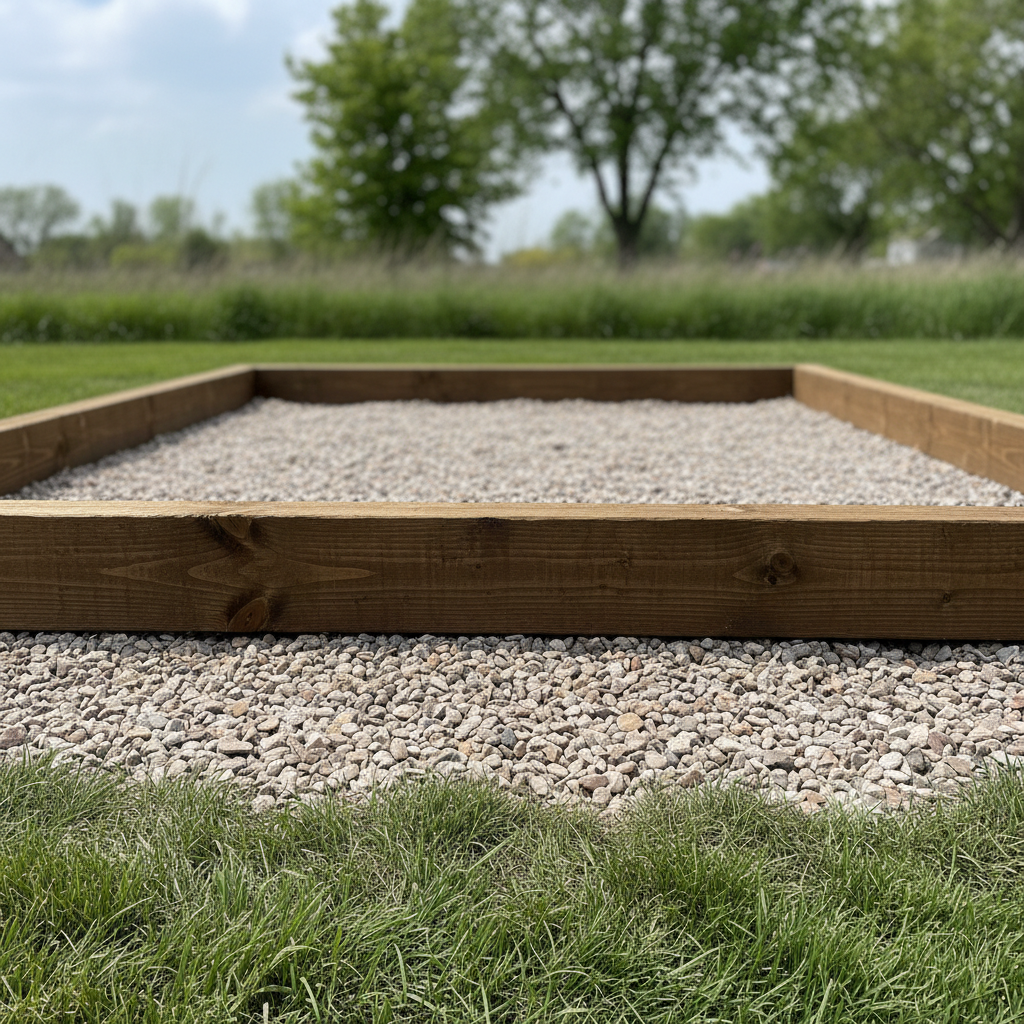
Next, the foundation. This is huge. You absolutely need a level, stable base. You can try to do this yourself, but be honest about your skills and time. For a small shed, say 8x10 or 10x12, you might be able to manage a gravel base or concrete blocks if you're handy and have the right tools. You'll need to dig down a few inches, lay down some landscape fabric to prevent weeds, add gravel, and compact it. Use a good long level to make sure it's spot on. If your shed is going to be sitting on a slope, or if you're in an older Wichita neighborhood with uneven ground, this DIY approach gets a lot harder.
For bigger sheds, or if you just want peace of mind, I always recommend a professional concrete pad. It's the most durable and stable option, especially with our Kansas weather and clay soils that can shift. A good concrete pad will prevent settling, rot, and give your shed a much longer life. This is definitely a job for a pro, unless you've poured concrete before and know what you're doing. Don't skimp here; a bad foundation means a crooked shed, doors that don't close right, and a whole lot of headaches down the road.
Also, check with the City of Wichita's planning department. You might need a permit depending on the size and location of your shed. Don't get caught building something only to find out you have to move it or tear it down. A quick phone call can save you a ton of grief.
Delivery Day: What to Expect
When delivery day comes, make sure the path is clear and any obstacles are moved. This includes cars, toys, garden hoses – anything that could get in the way. The delivery team will appreciate it, and it makes their job go a lot faster. Most sheds are delivered on a specialized trailer and then either rolled off or lifted into place with a forklift or crane. If you're getting a larger shed from Wichita Shed Builders, we often use a mule or specialized equipment to maneuver it into tight spots, but we still need that clear access.
Be present during delivery. This is your chance to ask questions, point out the exact spot, and make sure everything is going according to plan. If there are any issues, it's best to address them on the spot rather than after the crew has left.
After Installation: Maintenance and Longevity
Once your shed is in place, give it a good once-over. Check the doors and windows to make sure they open and close smoothly. Look for any gaps or issues with the siding or roofing. If you notice anything, bring it up with the installer right away.
Even the best sheds need a little TLC. Here's what I tell folks:
- Keep the area around the shed clear: Don't let bushes or trees grow right up against it. You want good airflow to prevent moisture buildup and rot.
- Check for leaks: After a good rain, pop inside and look for any signs of water intrusion. Seal up any small gaps you find with exterior caulk.
- Maintain the finish: If your shed is wood, you'll want to paint or stain it every few years to protect it from the sun and rain. This is especially true in Kansas, where our summers are brutal and our winters can be harsh.
- Inspect the foundation: Periodically check your foundation for any signs of settling or shifting. If you have a gravel base, you might need to add more gravel or re-level it over time.
Most of this is stuff you can handle yourself. It's not rocket science, just basic home maintenance. But if you see major issues – like a door that's completely out of whack, significant leaks, or structural concerns – don't hesitate to call the pros. Sometimes a small repair now can prevent a much bigger, more expensive problem later. Enjoy your new shed!